Mandala Coloring Page for Adult Kids
A Designer’s First Glance: Calm, Clear, and Commercially Flexible
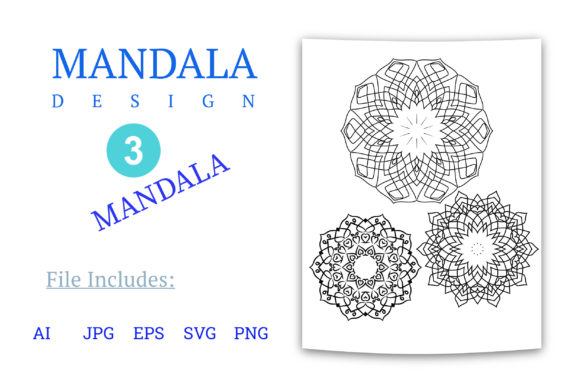
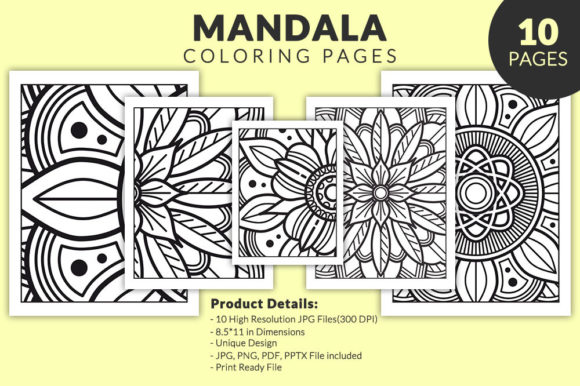
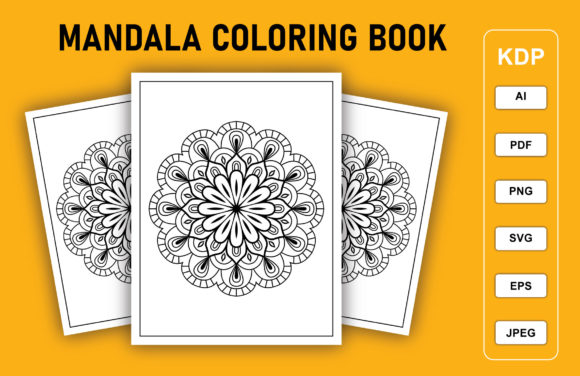
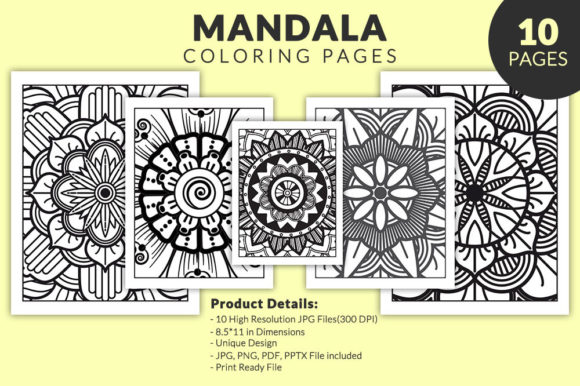
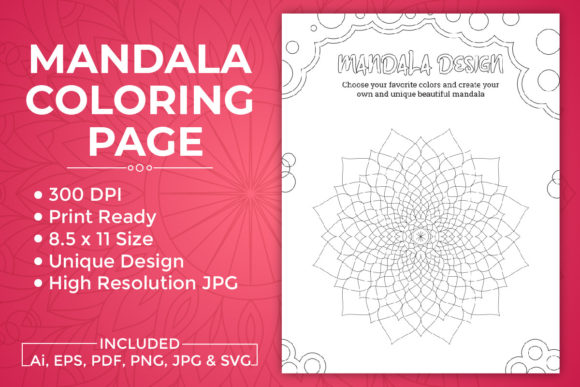
When I opened Mandala Coloring Page for Adult Kids, my eye landed not on complexity—but on balance. It’s a centered, symmetrical mandala with layered petals, subtle geometric framing, and breathing room between motifs. No frantic linework, no overcrowded corners. That matters—especially when translating a coloring page into a machine embroidery design. This isn’t just “pretty.” It’s *stitchable*. As someone who’s turned dozens of coloring-style graphics into embroidered patches, tote bag accents, and nursery pillow covers, I immediately saw its quiet versatility: soft enough for baby onesies, structured enough for boutique sweatshirts, detailed enough to hold interest on a tea towel—but never so dense it’ll bog down a home embroidery machine.
Where It Shines in Real Embroidery Projects
I recently used a version of this style for a custom embroidered tote bag series—small-batch orders for a local wellness studio. Mandala Coloring Page for Adult Kids would slot right in. Its open-line structure translates beautifully to running stitch outlines or light fill-stitch interpretations. On a natural linen tea towel? Crisp and grounded. On a medium-weight cotton apron? Clean, intentional, and easy to position near a pocket or hem. For baby embroidery—think organic cotton burp cloths or muslin swaddle wraps—the scale and rhythm feel soothing, not overwhelming. And yes, it works for holiday embroidery: imagine it subtly stitched in ivory thread on a charcoal knit blanket, or as a satin-stitched center motif on a velvet stocking.
Etsy sellers and small shop owners will appreciate how well it supports branding consistency. Because it’s not overly thematic (no seasonal icons or text), it pairs easily with neutral palettes and minimalist packaging. As a digital embroidery file, it holds up in printable mockups—clean edges, consistent line weight—and reads clearly even at thumbnail size in an online shop gallery.
Watch These Details Before You Stitch
This design doesn’t shout “high maintenance”—but it does ask for thoughtful execution. First, the outer ring and inner petal clusters contain fine, repeating curves. On stretchy fabric like jersey or lightweight knits, those lines can blur without proper stabilizer. I’d recommend cutaway or tear-away + topping for sweatshirt embroidery or baby embroidery where fabric movement is high. On dark fabric, test thread colors early: light grays or heathers read better than stark white for subtlety; avoid pale yellows unless you’re stitching on cream.
Hoop size matters here—not because it’s huge, but because the symmetry relies on precise centering. If you’re adapting Mandala Coloring Page for Adult Kids into an applique design or embroidered patch, confirm your hoop allows at least 1/4" margin around the outer edge. Tiny corners and intersecting lines won’t hold up on ultra-thin fabrics (think voile or silk charmeuse) without careful density adjustment. And if you're planning commercial embroidery for resale—say, on KDP Interiors–style home goods—double-check that the original Graphics license permits finished-product distribution. When in doubt, review the terms before listing on Etsy or Amazon KDP.
What It Adds to Your Handmade Product—and What It Doesn’t
Mandala Coloring Page for Adult Kids elevates perceived value without demanding premium time or thread. Customers recognize intentionality in balanced, mindful design—and that builds trust. A personalized gift stitched with this motif feels considered, not generic. It reads as handmade product, not mass-printed clip art. But be realistic: it won’t carry a brand name on its own. It’s a strong supporting player—not a logo replacement. Use it as a focal point on a pillow cover, a quiet accent on a cap’s side panel, or a grounding element on a holiday embroidery set. Don’t force it onto curved surfaces like baseball caps without testing placement first; symmetry can distort on tight curves.
For craft fair products or boutique merchandise, it lends calm sophistication—ideal for shops leaning into slow living, mindfulness, or nature-inspired aesthetics. It’s also forgiving for beginners: fewer jump stitches, no nested layers, minimal color changes. That makes it a smart pick for craft business starter kits or digital embroidery file bundles aimed at hobbyists.
Practical Notes from the Hoop
- Always test first—on scrap fabric matching your final project’s weight and stretch.
- Check stitch density in the inner rings; overfilling muddies the mandala’s clarity.
- Review small details at actual stitch size—not just on screen. What looks crisp at 200% zoom may vanish at 1:1.
- Mock it in black and white to gauge contrast on light vs. dark backgrounds.
- Use proper stabilizer—especially for textured fabrics like terry cloth or bouclé.
- Confirm licensing before selling finished items or reselling the digital embroidery file itself.
Final Thought: A Quiet Workhorse, Not a Flashy Trend
Mandala Coloring Page for Adult Kids won’t go viral—but it will sell steadily. It fits quietly into real lives: stitched onto a child’s backpack before their first day of kindergarten, embroidered on a therapist’s waiting-room pillow, or printed as part of a KDP Interiors kitchen bundle. As a designer, I value assets that behave predictably across mediums and markets. This one does. It respects the craft, honors the customer’s eye, and leaves room for your voice—whether you’re an Etsy seller building a cohesive collection or a small shop owner curating thoughtful, handmade product. Just remember: its strength lies in restraint. Let the mandala breathe. Let the stitch work speak. And always, always test before you commit thread and time.