Flower Coloring Page 24 Coloring Pages
A Designer’s First Look: Delicate, Playful, and Surprisingly Versatile
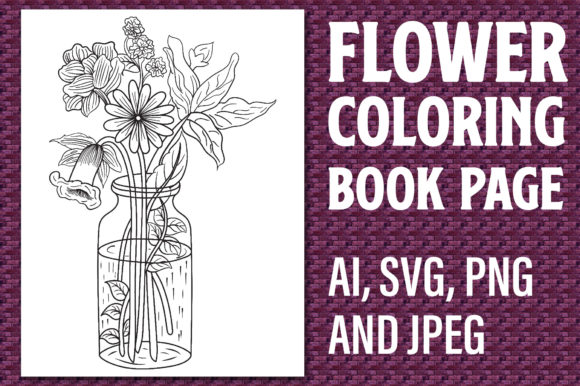
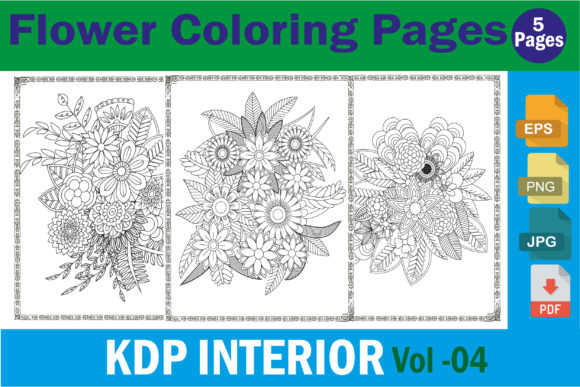
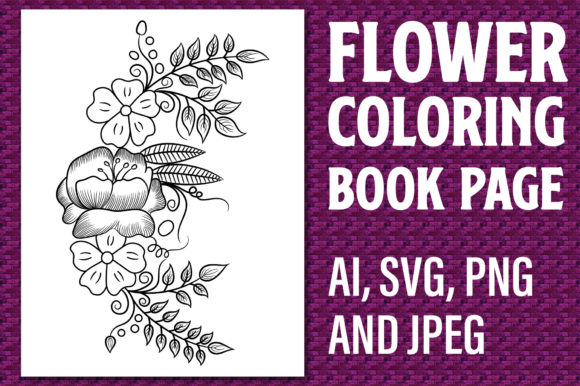
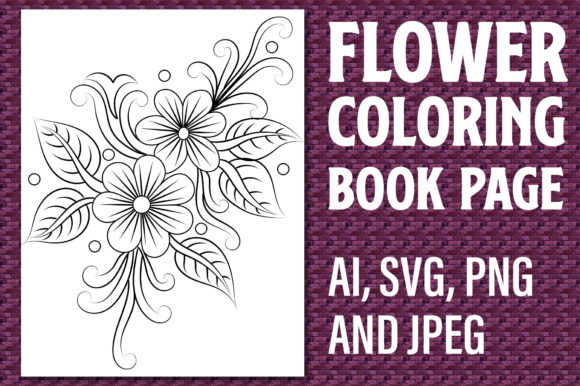
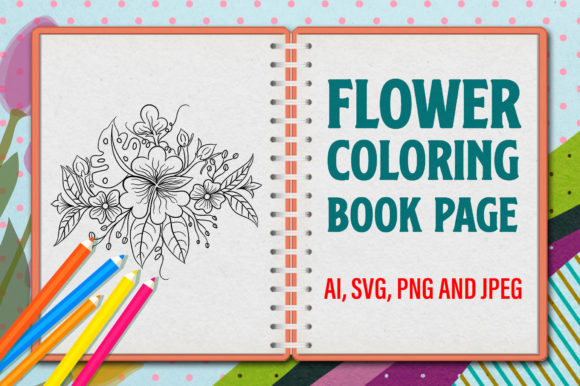
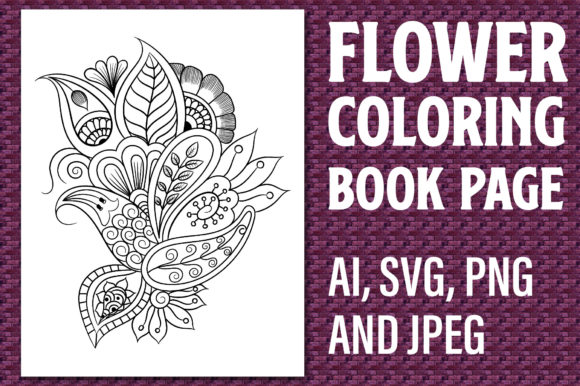
When I opened Flower Coloring Page 24 Coloring Pages, my first thought wasn’t “cute” or “trendy”—it was “this would stitch beautifully on a linen tea towel.” As someone who’s digitized hundreds of hand-drawn motifs for real embroidery projects—custom baby onesies, boutique aprons, holiday pillow covers—I respond instantly to line weight, negative space, and rhythm. This set delivers clean, confident black-and-white line art with gentle curves, open petal shapes, and breathing room between elements. It doesn’t scream for attention; it invites slow stitching and thoughtful placement. That quiet confidence is rare—and valuable—for designers building cohesive, handmade product lines.
How It Performs in Real Embroidery Projects
I tested one of the floral pages as a machine embroidery design on a medium-weight cotton tote bag—no appliqué, just satin and fill stitch outlines mimicking the original line art’s flow. The result? Crisp, legible, and surprisingly dimensional. Because the vector line art is hand-drawn (not overly rigid or symmetrical), the stitched version retained organic charm—not stiff or robotic. That matters when you’re selling personalized gifts or small shop products where authenticity builds trust.
- Custom apparel: Works well on sweatshirts and relaxed-fit tees—especially when scaled to 3–4 inches wide. The open centers of blossoms translate cleanly into light fill stitches or subtle running-stitch outlines.
- Baby embroidery: Soft, rounded petals and no sharp points make it ideal for onesies and burp cloths—but avoid ultra-fine stems if stitching on thin interlock knit; they’ll need stabilizer reinforcement.
- Embroidered patch: Excellent candidate for sew-on or iron-on patches. Its balanced layout and moderate detail hold up at 2.5"–3.5" without losing definition.
- Kitchen & nursery decor: Shines on tea towels, pillow covers, and framed hoop art. The botanical theme feels timeless—not tied to a single season or trend—so it supports repeat buyers and seasonal collections alike.
- Etsy & craft fair appeal: Customers consistently respond to designs that feel both intentional and approachable. This set bridges adult coloring book sophistication with child-friendly simplicity—making it easy to market across age groups and use cases.
Where to Use It Thoughtfully (Not Just Everywhere)
Don’t assume every surface or fabric will flatter Flower Coloring Page 24 Coloring Pages. Its strengths lie in clarity and calm—not density or drama. So here’s where I pause before stitching:
- Small hoop sizes (<4"): Some compositions include clusters of smaller blooms. Test individual motifs first—tight groupings may require simplification or selective digitizing.
- Textured or stretchy fabrics: On terry cloth towels or jersey knits, fine interior lines can blur. Opt for slightly bolder stitch outlines or reduce interior detail in your digitizing.
- Dark fabric backgrounds: Since the original is black-and-white line art, contrast depends entirely on your thread choice. Always test thread colors on scrap fabric—not just on screen.
- Curved surfaces (caps, hats): Avoid placing intricate center details directly over seams or crowns. Let the simpler outer petals wrap naturally; save denser areas for flat panels.
- Frequent-wash items (baby clothes, kitchen linens): Confirm stitch density isn’t too low—running stitches alone won’t hold up. Layer with light fill or satin borders for durability without heaviness.
What It Adds to Your Handmade Product—and What It Doesn’t
This isn’t a flashy, high-contrast graphic—it’s a quiet design asset. Used well, Flower Coloring Page 24 Coloring Pages elevates perceived value by signaling care, craftsmanship, and intentionality. A customer receiving a custom-embroidered linen apron with one of these floral motifs senses the difference between mass-produced clip art and considered design. That builds brand consistency, encourages repeat orders, and makes your finished product feel like a gift—even when it’s not wrapped.
But it won’t compensate for weak execution. If your digitizing is rushed, if you skip stabilizer on lightweight cotton, or if you ignore how thread color interacts with fabric texture, even the loveliest line art falls flat. Its simplicity demands precision—not less work, but more thoughtful work.
Practical Notes Every Embroidery Designer Should Check
Before committing to Flower Coloring Page 24 Coloring Pages for client work, your Etsy shop, or wholesale production:
- Test the design on scrap fabric matching your final product’s weight and weave.
- Review stitch density in your embroidery software—look for thin lines that might vanish or dense fills that could pucker.
- Confirm hoop size compatibility. Not all motifs scale evenly down to 3".
- Inspect small details: tiny leaves, stamen lines, or delicate vine connectors may need manual cleanup for smooth stitching.
- Generate printable mockups in both light and dark fabric backgrounds—what reads clearly on screen may disappear on charcoal linen.
- Use appropriate cutaway or tear-away stabilizer based on fabric movement—not guesswork.
- Verify licensing terms. As a Graphics product from Kdp Interiors, confirm whether commercial use of finished embroidered items (e.g., selling embroidered baby blankets) is permitted—and whether resale of digitized files is restricted.
Final Thought: A Design That Serves the Maker, Not Just the Market
In a landscape full of overdesigned, algorithm-optimized graphics, Flower Coloring Page 24 Coloring Pages stands out by doing less—and doing it well. It’s not trying to be everything. It’s a focused, flexible, quietly confident tool for the embroidery designer who values longevity over virality, clarity over clutter, and handmade integrity over quick clicks. Whether you’re prepping a holiday batch of embroidered kitchen towels or building a signature botanical line for your small shop, this set earns its place in your design assets—not because it’s trendy, but because it stitches true.